
Embark on a journey into the world of project management templates, where organization and success go hand in hand. Explore how these tools can revolutionize your project planning and execution.
Learn about the key components, types, and benefits of utilizing project management templates for optimal project outcomes.
Introduction to Project Management
Project management plays a crucial role in helping organizations achieve their goals by effectively planning, executing, and monitoring projects to ensure successful outcomes. It involves coordinating resources, managing risks, and delivering results within scope, budget, and time constraints.
Key Components of Project Management
- Project Scope: Defining the objectives, deliverables, and boundaries of the project to ensure clarity and alignment with organizational goals.
- Project Schedule: Creating a timeline with milestones and deadlines to track progress and ensure timely completion.
- Resource Management: Allocating resources effectively, including personnel, budget, and materials, to maximize efficiency and productivity.
- Risk Management: Identifying potential risks, developing mitigation strategies, and monitoring threats to minimize project disruptions.
- Communication: Establishing clear channels for communication among stakeholders to promote transparency and collaboration.
Successful Project Management Implementations
- SpaceX’s Falcon 9 Rocket Launches: SpaceX has successfully managed numerous rocket launches, showcasing effective project management in the aerospace industry.
- Apple’s Product Development: Apple’s seamless product launches, such as the iPhone and iPad, exemplify meticulous project management in the tech sector.
- The Olympic Games: The planning and execution of the Olympic Games involve intricate project management to coordinate various stakeholders and deliver a successful global event.
Project Management Templates
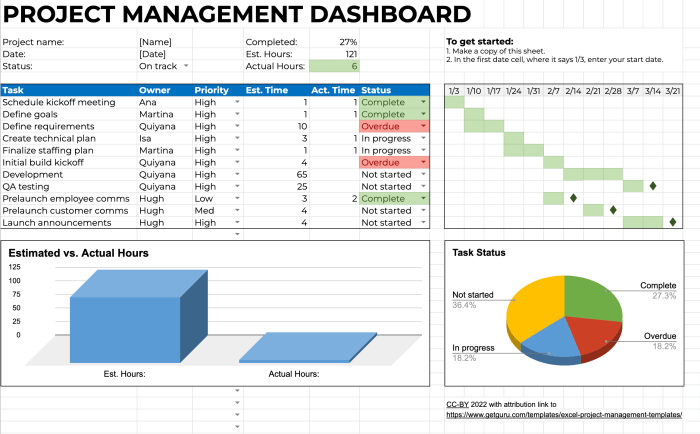
Project management templates are pre-designed documents or tools that help project managers and teams in planning, executing, monitoring, and controlling project activities. These templates provide a structured framework for organizing project information, tasks, timelines, resources, and deliverables. They are essential for ensuring consistency, efficiency, and effectiveness in project management processes.
Types of Project Management Templates
- Gantt Charts: Gantt charts visually represent project schedules, tasks, and dependencies over time, allowing for better planning and tracking of project progress.
- Project Schedules: Project schedules Artikel the timeline, milestones, and deadlines for project activities, helping in managing time effectively.
- Risk Registers: Risk registers identify, assess, and prioritize project risks, along with mitigation strategies to minimize potential negative impacts on the project.
Tips for Effective Use of Project Management Templates
- Customize Templates: Tailor templates to fit the specific needs and requirements of your project to ensure relevance and accuracy.
- Regular Updates: Keep templates up-to-date with real-time project data to reflect the current status and progress of the project accurately.
- Collaboration: Encourage team members to use and contribute to templates collaboratively to enhance communication and coordination among team members.
- Training: Provide training and guidance on how to use templates effectively to maximize their benefits and ensure proper utilization.
Benefits of Using Project Management Templates
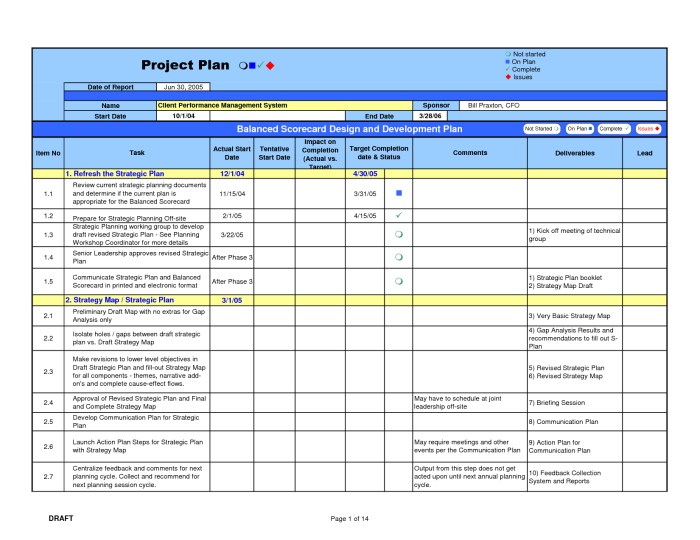
Using project management templates can provide numerous advantages in streamlining project processes and enhancing overall efficiency. These templates serve as pre-designed frameworks that can be customized to suit specific project requirements, saving time and effort in creating project documentation from scratch. Let’s delve into the benefits of incorporating project management templates into your workflow.
Improved Project Planning
Project management templates offer a standardized approach to project planning by providing a structured format for defining project scope, objectives, timelines, and resource allocation. By utilizing these templates, project managers can ensure consistency in project planning processes, leading to better clarity and alignment among team members regarding project goals and deliverables.
Enhanced Project Tracking
Templates play a crucial role in project tracking by enabling project managers to monitor progress, identify potential bottlenecks, and track key milestones effectively. With predefined templates for progress reports, Gantt charts, and status updates, project teams can easily track project performance and make informed decisions to keep the project on track.
Effective Communication
Project management templates facilitate effective communication among project stakeholders by providing a common platform for sharing project updates, schedules, and deliverables. By using templates for meeting agendas, status reports, and communication plans, project teams can ensure that all stakeholders are well-informed and engaged throughout the project lifecycle.
Real-life Examples
One notable example of the benefits of using project management templates is the construction industry, where templates for project schedules, budget tracking, and risk management have significantly improved project efficiency and delivery timelines. Another example is in software development, where templates for agile project management methodologies have helped teams collaborate more effectively and deliver high-quality products within tight deadlines.
Customizing Project Management Templates
Customizing project management templates is essential to meet the specific needs of a project and ensure efficiency in managing tasks and resources. By tailoring templates to suit different project phases and methodologies, project managers can streamline processes and improve project outcomes.
Tailoring Templates for Different Project Phases
When customizing templates for different project phases, consider the specific requirements and deliverables of each phase. For example:
- Initiation Phase: Focus on defining project scope, objectives, and stakeholders.
- Planning Phase: Include detailed schedules, resource allocation, and risk management plans.
- Execution Phase: Emphasize task assignments, progress tracking, and communication plans.
- Monitoring & Controlling Phase: Incorporate performance metrics, issue tracking, and change control processes.
- Closure Phase: Highlight project evaluation, lessons learned, and closure documentation.
Adapting Templates to Different Project Management Methodologies
When adapting templates to different project management methodologies like Agile or Waterfall, consider the following best practices:
- Agile: Focus on iterative planning, short feedback loops, and adaptability. Use templates that support user stories, sprint planning, and daily stand-ups.
- Waterfall: Emphasize detailed planning, sequential stages, and formal documentation. Utilize templates for Gantt charts, project schedules, and milestone tracking.
- Hybrid Approaches: Combine elements of Agile and Waterfall methodologies to create custom templates that suit the unique needs of the project.
In conclusion, project management templates serve as the backbone of successful project execution, enhancing efficiency and communication throughout the process. Implement these tools to take your projects to new heights of success.
FAQ Summary
How can project management templates improve project planning?
Project management templates provide a structured approach to planning, ensuring all necessary steps and tasks are accounted for in the project timeline.
What are some common types of project management templates?
Common types include Gantt charts, project schedules, and risk registers, each serving different purposes in project management.
Can project management templates be tailored to specific project needs?
Yes, templates can be customized to suit the unique requirements of each project, enhancing adaptability and efficiency.
How do project management templates contribute to better communication in projects?
Templates provide a standardized format for sharing project information, ensuring clarity and consistency in communication among team members.


