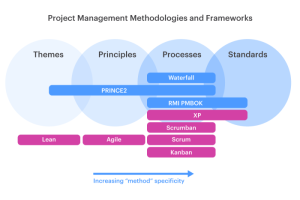
Starting with Best project management software, the narrative unfolds in a compelling and distinctive manner, drawing readers into a story that promises to be both engaging and uniquely memorable.
Exploring the realm of project management software unveils a plethora of tools and strategies aimed at optimizing project workflows and enhancing productivity.
PROJECT MANAGEMENT
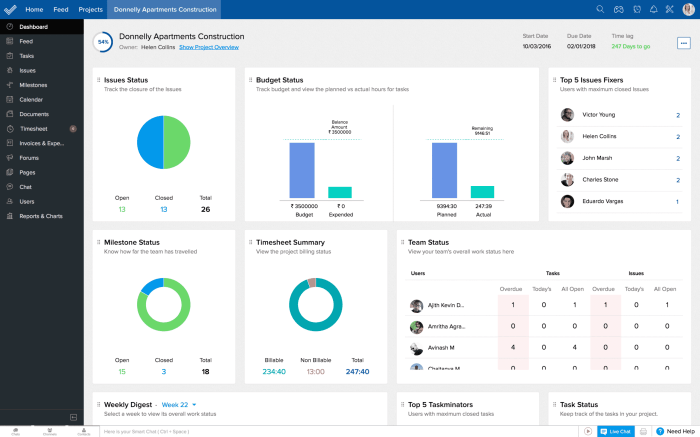
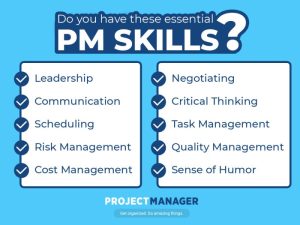
Project management involves planning, organizing, and overseeing the successful completion of a project within specific constraints such as time, budget, and scope. It plays a crucial role in ensuring that business operations run smoothly and efficiently.Key components of project management include defining project goals, creating a project plan, allocating resources, managing risks, monitoring progress, and adapting to changes as needed.
Effective communication, leadership, and teamwork are also essential components in successful project management.Implementing effective project management practices can lead to numerous benefits for businesses, such as improved efficiency, increased productivity, better risk management, and higher customer satisfaction. By ensuring projects are completed on time and within budget, companies can enhance their reputation and competitiveness in the market.Successful project management strategies can be seen in real-world scenarios such as the construction of large-scale infrastructure projects, the development of new software applications, or the launch of a marketing campaign.
These examples highlight the importance of careful planning, coordination, and execution in achieving project goals and delivering value to stakeholders.
Best Project Management Software Features
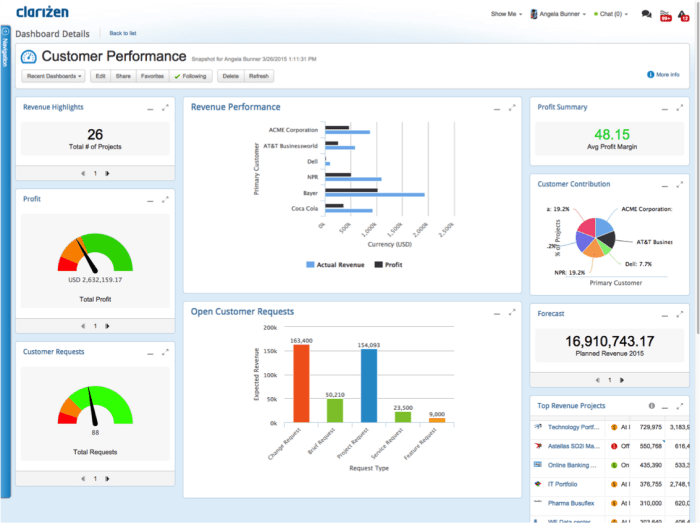
When choosing project management software, it’s essential to look for specific features that can enhance productivity and streamline project workflows. Here are some key features to consider:
Task Management
- Ability to create and assign tasks to team members
- Set deadlines and priorities for tasks
- Track progress and updates on tasks in real-time
Collaboration Tools
- Shared calendars and scheduling tools
- File sharing and document management capabilities
- Real-time communication channels such as chat or messaging
Reporting Capabilities
- Generate customizable reports on project status and progress
- Track key performance indicators and metrics
- Visualize data through graphs and charts for better analysis
Examples of popular project management software and their standout features include:
Trello: Known for its user-friendly interface and customizable boards for task management.
Asana: Offers a variety of project views, including lists, boards, and timelines, for better organization.
Jira: Ideal for software development teams with advanced issue tracking and agile project management capabilities.
Implementation and Integration
Implementing project management software within an organization requires careful planning and execution to ensure a smooth transition. Here are the steps for successful implementation and integration:
Steps for Implementing Project Management Software
- Define project management goals and objectives: Clearly Artikel what you aim to achieve with the software to align it with your organization’s needs.
- Choose the right software: Select a project management tool that fits your requirements and budget.
- Train employees: Provide comprehensive training to ensure that all team members are proficient in using the software effectively.
- Customize the software: Tailor the software to match your organization’s specific workflows and processes for optimal efficiency.
- Set up data migration: Transfer relevant data from existing systems to the new software to maintain continuity and accessibility.
Best Practices for Integrating Project Management Software
- Integrate with existing tools: Ensure seamless integration with other software and systems used within the organization to avoid duplication of efforts.
- Establish communication channels: Encourage open communication among team members to foster collaboration and transparency in project management.
- Regularly assess performance: Monitor the software’s performance and make necessary adjustments to maximize its effectiveness.
Training and Change Management for Smooth Transition
- Offer continuous support: Provide ongoing training and support to help employees adapt to the new software and processes.
- Communicate changes effectively: Keep all stakeholders informed about the implementation process and address any concerns or resistance to change.
- Encourage feedback: Gather feedback from users to identify areas for improvement and make necessary adjustments for a successful transition.
Tips for Maximizing Benefits Post-Implementation
- Utilize reporting features: Leverage the software’s reporting capabilities to track progress, identify bottlenecks, and make data-driven decisions.
- Encourage collaboration: Foster a collaborative environment where team members can share updates, files, and feedback within the software.
- Regularly review processes: Continuously evaluate and optimize project management processes to enhance efficiency and productivity.
Considerations for Choosing the Right Software
When it comes to selecting the right project management software for your team, there are several important factors to consider. From scalability to pricing and user-friendliness, each aspect plays a crucial role in determining the best fit for your specific needs.
Scalability and Flexibility
One of the key considerations when choosing project management software is its scalability. You need a tool that can grow with your team and accommodate increasing project sizes and complexities. Look for software that offers customization options and flexibility to adapt to your evolving requirements.
Pricing and Budget
Pricing is another crucial factor to consider. While it’s essential to stay within budget, it’s equally important to ensure that the software you choose meets your project management needs effectively. Compare pricing plans of different software solutions and evaluate the value they offer in relation to their cost.
User-Friendliness and Adoption
The user-friendliness of the software is essential for successful adoption by your team. Choose a tool that is intuitive and easy to navigate, minimizing the learning curve for your team members. Consider software that offers training and support to facilitate smooth onboarding.
Customer Support and Reliability
Reliable customer support is crucial when it comes to resolving issues and getting timely assistance. Look for software providers that offer responsive customer support through multiple channels. Additionally, consider the reliability of the software in terms of uptime and data security.
Comparison of Top Project Management Software Solutions
| Software | Scalability | Pricing | User-Friendliness | Customer Support |
|---|---|---|---|---|
| Software A | High | $$ | Intuitive | 24/7 Live Chat |
| Software B | Medium | $$$ | User-Friendly | Email Support |
| Software C | Low | $ | Complex | Phone Support |
Customization and Specific Needs
Customization options are essential for tailoring the software to meet your specific project management needs. Choose a tool that allows you to customize workflows, dashboards, and reports according to the unique requirements of your projects and team structures.
Aligning Software Features with Project Types
It’s crucial to align the features of the software with the specific requirements of different project types. Consider whether the software offers features such as task tracking, resource management, collaboration tools, and reporting capabilities that are essential for managing your projects effectively.
In conclusion, the world of project management software offers a diverse range of solutions to cater to different business needs, ensuring smoother project execution and successful outcomes.
Essential FAQs
What are the key components of project management software?
Key components include task management, collaboration tools, reporting capabilities, and customization options.
How can project management software enhance productivity?
By providing streamlined workflows, efficient task management, and clear communication channels, project management software can significantly boost productivity.
What factors should be considered when choosing project management software?
Factors such as scalability, pricing, user-friendliness, customer support, and customization options should be considered for choosing the right project management software.