Embark on a journey through the realm of project management skills, where success is defined by effective leadership, communication, and resource utilization.
Discover the key elements that pave the path to project triumph and learn how to navigate the intricate landscape of project management with finesse.
Importance of Project Management Skills
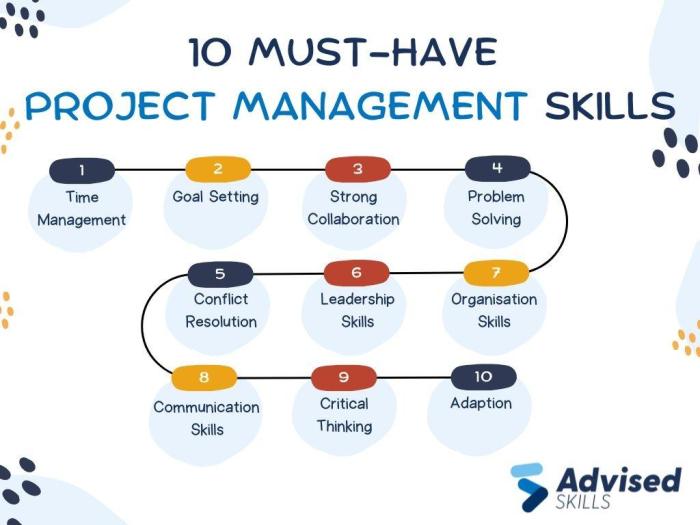
Project management skills are essential in various industries as they ensure that projects are completed on time, within budget, and meet the desired objectives. Effective project management skills can lead to successful project completion by allowing teams to plan, execute, and monitor tasks efficiently. These skills also help in identifying and mitigating risks, resolving conflicts, and maintaining stakeholder communication throughout the project lifecycle.
Efficient Resource Utilization
Effective project management skills contribute to efficient resource utilization by ensuring that resources such as time, money, and manpower are allocated appropriately. By creating detailed project plans, setting realistic timelines, and monitoring progress regularly, project managers can optimize the use of resources and prevent any wastage. Additionally, these skills enable project managers to prioritize tasks, allocate resources effectively, and make adjustments as needed to ensure project success.
Key Project Management Skills
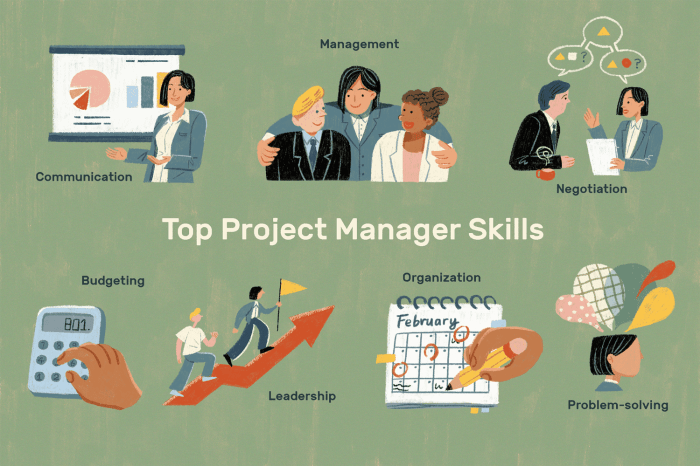
Effective project management requires a combination of various key skills that are essential for ensuring successful project completion. These skills include communication, leadership, time management, and risk management.
Communication
Communication is crucial in project management as it involves conveying information, ensuring understanding among team members, and resolving conflicts. Project managers must be proficient communicators to keep all stakeholders informed and engaged throughout the project. For example, clear and concise communication can help prevent misunderstandings and ensure that everyone is on the same page regarding project goals and expectations.
Leadership
Leadership skills are vital for guiding the project team, making decisions, and motivating team members to achieve project objectives. A strong leader can inspire and empower team members to perform at their best, leading to improved project outcomes. For instance, effective leadership can help maintain team morale during challenging times and drive team members towards success.
Time Management
Time management skills are essential for prioritizing tasks, setting deadlines, and ensuring that the project stays on schedule. Project managers need to effectively allocate resources and manage timelines to meet project milestones and deliverables. By effectively managing time, project managers can avoid delays and ensure timely project completion.
Risk Management
Risk management involves identifying potential risks, analyzing their impact, and developing strategies to mitigate or respond to them. Project managers must be proactive in identifying risks and implementing risk mitigation plans to minimize the impact on the project. For example, conducting risk assessments and creating contingency plans can help project teams prepare for unexpected events and ensure project success.
Tools and Techniques in Project Management
Project management involves the use of various tools and techniques to effectively plan, execute, and monitor projects. These tools help project managers streamline processes, improve collaboration, and ensure successful project delivery.
Popular Project Management Tools
- 1. Gantt Charts: Gantt charts visually represent project schedules, tasks, and dependencies, providing a clear timeline for project completion.
- 2. Kanban Boards: Kanban boards help teams visualize workflow, track tasks, and manage work progress in a highly visual and organized manner.
- 3. Project Management Software: Tools like Trello, Asana, and Jira offer comprehensive project management features, including task assignment, progress tracking, and communication.
Comparison of Project Management Methodologies
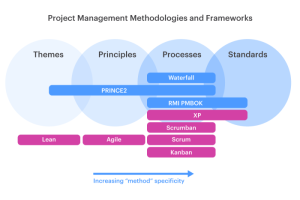
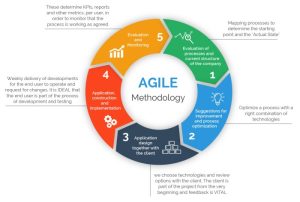
- 1. Agile: Agile methodology focuses on iterative and incremental development, allowing for flexibility and adaptability to changes throughout the project lifecycle.
- 2. Scrum: Scrum is a framework within Agile that emphasizes collaboration, regular progress reviews, and continuous improvement through short, time-boxed iterations.
- 3. Waterfall: Waterfall methodology follows a sequential approach, with each phase dependent on the completion of the previous one, suitable for projects with clearly defined requirements.
Enhancing Project Management Skills with Tools and Techniques
Project management tools and methodologies enhance project management skills by providing structure, facilitating communication, improving efficiency, and enabling better decision-making. By utilizing the right tools and techniques, project managers can overcome challenges, mitigate risks, and deliver successful projects within scope, time, and budget constraints.
Developing Project Management Skills
Improving project management skills is crucial for professionals looking to excel in their roles. Here are some strategies to enhance your project management skills:
Enhancing Leadership Skills
Effective leadership is essential in project management. Here are some tips to enhance your leadership skills:
- Set clear goals and objectives for your team.
- Communicate effectively and regularly with team members.
- Empower team members by delegating tasks appropriately.
- Lead by example and demonstrate a strong work ethic.
Improving Communication Skills
Strong communication skills are vital for successful project management. Here are some tips to improve your communication skills:
- Practice active listening to ensure you understand the needs and concerns of team members.
- Use clear and concise language when conveying information or instructions.
- Be open to feedback and encourage an environment where team members feel comfortable sharing their thoughts.
- Utilize different communication channels effectively, such as emails, meetings, and project management tools.
Emphasizing Continuous Learning
Continuous learning and professional development play a significant role in refining project management skills. Here are some ways to emphasize continuous learning:
- Attend workshops, training sessions, and conferences related to project management.
- Obtain relevant certifications to enhance your knowledge and skills.
- Seek mentorship from experienced project managers to gain valuable insights and guidance.
- Stay updated on industry trends and best practices to adapt to changes in the project management landscape.
As we wrap up our exploration of project management skills, remember that honing these abilities is the cornerstone of project excellence in any industry.
Questions Often Asked
Why are project management skills essential?
Project management skills are crucial as they ensure efficient resource allocation, effective communication, and overall project success.
How do project management skills contribute to project completion?
Effective project management skills lead to streamlined workflows, better coordination among team members, and timely project delivery.
What are some strategies to enhance project management skills?
Strategies include continuous learning, improving leadership abilities, refining communication skills, and staying updated on industry best practices.