
With What is project management at the forefront, this paragraph opens a window to an amazing start and intrigue, inviting readers to embark on a storytelling casual formal language style filled with unexpected twists and insights.
Project management is a crucial aspect of any successful venture, encompassing various key components and methodologies that drive projects to completion. Let’s delve into the world of project management to uncover its significance and impact across different industries.
What is project management?
Project management involves planning, organizing, and overseeing the successful completion of a project within a specific timeframe and budget. It includes defining goals, setting timelines, allocating resources, and managing risks to ensure the project’s objectives are met.Project management is crucial in various industries as it helps streamline processes, improve efficiency, and ensure deliverables meet quality standards. It also enhances communication among team members, stakeholders, and clients, leading to better collaboration and project outcomes.
Importance of Project Management in Various Industries
- Construction Industry: Project management is essential in construction projects to ensure proper planning, coordination of resources, and timely completion of tasks to meet project deadlines.
- Information Technology: IT projects require effective project management to manage complex tasks, minimize risks, and deliver innovative solutions to clients.
- Healthcare Sector: Project management plays a vital role in healthcare projects to improve patient care, optimize processes, and implement new technologies efficiently.
- Marketing and Advertising: Project management helps marketing teams plan campaigns, track progress, and deliver results that meet client expectations within budget constraints.
Key components of project management

Project management involves several key components that are crucial for the successful completion of a project. These components help in planning, executing, and monitoring a project to ensure it meets its objectives within the specified constraints.
Project Scope, Time, and Cost Management
Project scope management involves defining and controlling what is included and excluded in the project. It ensures that the project stays on track and delivers the intended results. Time management focuses on creating a realistic schedule, identifying critical paths, and ensuring timely completion of tasks. Cost management involves estimating, budgeting, and controlling costs throughout the project lifecycle to prevent overruns.
Quality Management
Quality management ensures that the project delivers products or services that meet the specified requirements and expectations. It involves establishing quality standards, performing quality assurance activities, and monitoring quality control processes to ensure project deliverables are of high quality.
Risk Management
Risk management involves identifying, analyzing, and responding to potential risks that could impact the project’s success. It aims to minimize the negative effects of risks and maximize opportunities. By proactively managing risks, project managers can mitigate potential threats and capitalize on opportunities.
Communication Management
Effective communication is essential for project success. Communication management involves creating a communication plan, establishing channels for information exchange, and ensuring stakeholders are informed and engaged throughout the project. Clear and open communication helps in resolving conflicts, addressing issues, and keeping all project team members aligned towards common goals.
Project Management Methodologies
Project management methodologies are frameworks that guide how projects are planned, executed, monitored, and controlled. Two common methodologies are the traditional Waterfall approach and the Agile methodology. Let’s compare and contrast these two approaches and discuss their benefits, challenges, and suitable industries or projects for each.
Waterfall Methodology
The Waterfall methodology follows a sequential approach, where each phase of the project must be completed before moving on to the next. This method is structured and allows for detailed planning upfront, making it suitable for projects with well-defined requirements and a clear scope. However, the rigidity of the Waterfall approach can lead to delays if changes are required mid-project.
- Benefits:
- Clear project milestones and deliverables
- Easy to understand and manage for stakeholders
- Challenges:
- No room for flexibility or changes
- Risk of scope creep due to lack of adaptability
Agile Methodology
Agile is a more flexible and iterative approach to project management, focusing on delivering small increments of work in short cycles. This methodology is suitable for projects with evolving requirements and high levels of collaboration between team members. Agile allows for changes to be incorporated quickly, promoting adaptability and responsiveness.
- Benefits:
- Ability to respond to change quickly
- Enhanced collaboration and communication
- Challenges:
- Complexity in managing multiple iterations
- Requires high level of client involvement and feedback
In industries like software development, where requirements may evolve during the project, Agile methodologies are often preferred. On the other hand, construction projects with well-defined specifications may benefit more from the Waterfall approach. It is essential to consider the unique characteristics of each project and industry to determine the most suitable methodology for successful project management.
Skills required for effective project management
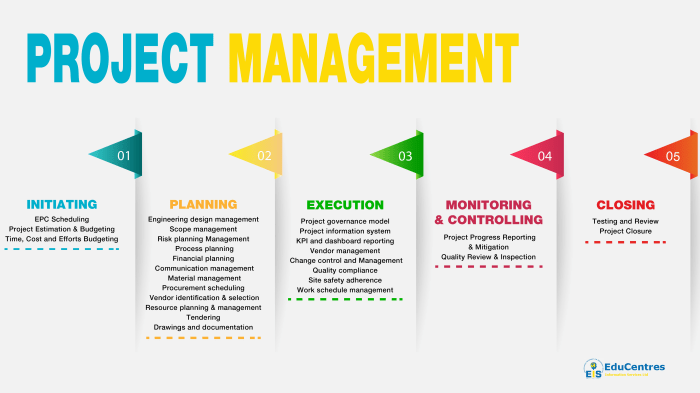
Effective project management requires a diverse set of skills that go beyond technical expertise. These skills are essential for leading a team, communicating effectively, managing time efficiently, and solving problems creatively. Adaptability, teamwork, and organization also play a crucial role in ensuring the success of a project.
Leadership
- Ability to motivate and inspire team members
- Decision-making skills
- Conflict resolution and negotiation
Communication
- Clear and concise communication with team members and stakeholders
- Active listening skills
- Effective presentation skills
Time Management
- Prioritizing tasks and deadlines
- Setting realistic timelines and milestones
- Ability to multitask and manage time effectively
Problem-Solving
- Analytical thinking and decision-making skills
- Ability to identify and address issues promptly
- Creative problem-solving approach
Adaptability
- Flexibility in responding to changes and unexpected challenges
- Ability to adjust plans and strategies as needed
- Openness to feedback and willingness to learn from mistakes
Teamwork
- Collaborating with team members to achieve common goals
- Building strong relationships and trust within the team
- Recognizing and leveraging individual strengths for the benefit of the project
Organization
- Creating and maintaining detailed project plans
- Keeping track of progress and milestones
- Managing resources efficiently
Tips for developing project management skills
- Seek mentorship from experienced project managers
- Take relevant courses or certifications to enhance your skills
- Practice effective communication and leadership in your daily interactions
- Learn from past projects and continuously improve your approach
Tools and software in project management
Project management tools and software play a crucial role in ensuring the success of a project by enhancing collaboration, task management, and resource allocation. They streamline processes, improve communication, and help teams stay organized and efficient.
Popular project management tools
- Trello: Trello is a visual collaboration tool that allows users to organize tasks and projects on customizable boards. It uses cards and boards to help teams prioritize tasks and track progress.
- Asana: Asana is a web and mobile application designed to help teams organize, track, and manage their work. It allows users to create tasks, assign them to team members, set deadlines, and track progress.
- Microsoft Project: Microsoft Project is a project management software that helps project managers plan, track progress, and manage resources. It offers features such as Gantt charts, task lists, and resource management tools.
How project management software enhances collaboration, task management, and resource allocation
Project management software enhances collaboration by providing a centralized platform where team members can communicate, share files, and update project progress in real-time. It improves task management by allowing users to create tasks, set deadlines, assign responsibilities, and track progress. Additionally, it helps with resource allocation by providing visibility into resource availability, enabling project managers to allocate resources effectively.
The importance of selecting the right tools for specific project requirements
It is crucial to select the right project management tools based on the specific requirements of a project. Each tool has its own set of features and functionalities that cater to different needs. By choosing the right tools, project teams can enhance productivity, collaboration, and overall project success.
In conclusion, project management is the backbone of successful projects, requiring a blend of essential skills, effective tools, and sound methodologies. By mastering these aspects, individuals and organizations can navigate the complexities of project execution with finesse and achieve their desired outcomes.
FAQ Resource
What are the key components of project management?
The key components of project management include scope, time, cost management, quality management, risk management, and communication management.
How do different project management methodologies vary?
Traditional approaches like Waterfall focus on sequential progress, while Agile methodologies prioritize flexibility and iterative development.
What skills are essential for effective project management?
Essential skills for project management include leadership, communication, time management, problem-solving, adaptability, teamwork, and organization.
Which tools are commonly used in project management?
Popular project management tools include Trello, Asana, and Microsoft Project, which enhance collaboration, task management, and resource allocation.


