
How to become a project manager sets the stage for this enthralling narrative, offering readers a glimpse into a story that is rich in detail with casual formal language style and brimming with originality from the outset.
Project management is a dynamic field that requires a unique blend of skills and qualifications. In this guide, we will explore the essential steps and tools needed to embark on a successful journey towards becoming a project manager.
Introduction to Project Management
Project management is the practice of initiating, planning, executing, controlling, and closing the work of a team to achieve specific goals and meet specific success criteria. It plays a crucial role in various industries by ensuring that projects are completed efficiently, within budget, and on time. Project management involves coordinating resources, managing risks, and communicating with stakeholders to ensure a successful outcome.
Examples of Successful Projects Managed by Project Managers
- Building a new software application within the specified timeline and budget.
- Constructing a new bridge that meets safety standards and is completed on schedule.
- Organizing a large-scale event with multiple moving parts and ensuring its success.
Key Responsibilities of a Project Manager
- Developing project plans and schedules to Artikel the project’s scope, objectives, deliverables, and timelines.
- Allocating resources effectively to ensure tasks are completed on time and within budget.
- Identifying and managing risks that may impact the project’s success.
- Monitoring progress and making adjustments as needed to keep the project on track.
- Communicating with stakeholders to provide updates on the project’s status and address any concerns.
Skills and Qualifications Required
To excel as a project manager, certain skills and qualifications are essential to effectively lead a team and deliver successful projects.
Essential Skills
- Communication: Project managers must be able to effectively communicate with team members, stakeholders, and clients to ensure everyone is on the same page.
- Leadership: Strong leadership skills are crucial for guiding and motivating team members towards achieving project goals.
- Time Management: Project managers need to possess excellent time management skills to prioritize tasks and meet project deadlines.
- Problem-Solving: The ability to think critically and solve problems efficiently is vital in overcoming challenges that may arise during project execution.
Educational Qualifications
While educational requirements may vary depending on the industry and organization, a Bachelor’s degree in a related field such as Business Administration, Engineering, or Information Technology is often required for project management roles. Some employers may prefer candidates with a Master’s degree or relevant certifications.
Importance of Certifications like PMP
- Project Management Professional (PMP) certification is globally recognized and demonstrates a project manager’s proficiency in project management processes and best practices.
- Holding a PMP certification can enhance career opportunities, increase earning potential, and validate one’s expertise in the field of project management.
- Employers often prefer candidates with PMP certification, as it signifies a commitment to professional development and a high level of competence in managing projects effectively.
Steps to Become a Project Manager
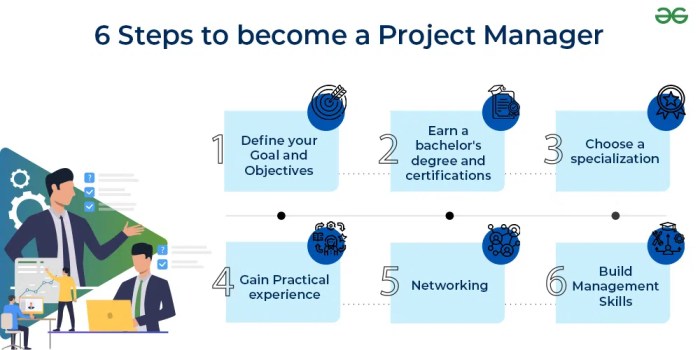
Transitioning into a project manager role requires a strategic approach and a combination of relevant experience and networking. Here are the key steps to help you become a successful project manager:
Gain Experience in Related Roles
Working in roles such as project coordinator, team leader, or business analyst can provide valuable experience that will help you understand the dynamics of project management. These roles allow you to develop essential skills such as communication, problem-solving, and leadership, which are crucial for a project manager.
Networking and Building Professional Reputation
Networking within the industry is essential for career growth. Attend industry events, conferences, and connect with professionals on platforms like LinkedIn. Building a strong professional reputation through delivering successful projects, maintaining good relationships with stakeholders, and continuously improving your skills will help you establish yourself as a competent project manager.
Tools and Techniques in Project Management
Project management involves the use of various tools and techniques to ensure successful planning, execution, and monitoring of projects. Let’s explore some popular project management tools and techniques commonly used in the field.
Popular Project Management Tools
- Trello: Trello is a popular project management tool that uses boards, lists, and cards to organize and prioritize tasks. It allows teams to collaborate, assign tasks, and track progress in a visual and intuitive way.
- Asana: Asana is another widely used project management tool that helps teams coordinate and manage their work effectively. It offers features like task assignments, deadlines, and project timelines to streamline project workflows.
- Microsoft Project: Microsoft Project is a comprehensive project management software that provides tools for project planning, scheduling, resource management, and reporting. It is ideal for complex and large-scale projects requiring detailed planning and monitoring.
Project Management Techniques
- Agile Methodology: Agile is an iterative approach to project management that focuses on flexibility, collaboration, and continuous improvement. It involves breaking projects into small, manageable tasks and adapting to changing requirements throughout the project lifecycle.
- Scrum Framework: Scrum is a framework within the Agile methodology that emphasizes teamwork, accountability, and iterative progress. It involves short, time-boxed iterations called sprints, daily stand-up meetings, and regular reviews to ensure project transparency and adaptability.
- Waterfall Methodology: Waterfall is a traditional project management approach that follows a sequential, linear process from initiation to closure. It involves distinct phases such as requirements gathering, design, development, testing, and deployment, with each phase dependent on the completion of the previous one.
Impact of Technology on Project Management
Technology has significantly transformed project management practices by providing advanced tools for collaboration, communication, and automation. Project management software, cloud-based platforms, and virtual communication tools have made it easier for teams to work remotely, share real-time updates, and track progress efficiently. The integration of technology in project management has led to improved productivity, streamlined workflows, and better decision-making processes in today’s fast-paced and digital-driven work environment.
As we conclude this exploration of how to become a project manager, it’s evident that the path to success in this role involves a combination of dedication, skill development, and a passion for effective leadership. By following the Artikeld steps and honing your abilities, you can pave the way for a rewarding career in project management.
User Queries
What are the typical educational qualifications required to become a project manager?
Most employers look for candidates with a bachelor’s degree in a related field such as business administration, engineering, or computer science.
How important are certifications like PMP for aspiring project managers?
Certifications like PMP (Project Management Professional) can enhance your credibility and open up new opportunities in the field of project management.
What are some popular project management tools used in the industry?
Tools like Trello, Asana, and Microsoft Project are widely used for managing projects efficiently and collaboratively.
How can networking help in the journey to becoming a project manager?
Networking allows you to connect with professionals in the field, gain insights, and potentially open doors to new opportunities or mentorship.
What is the significance of gaining experience in related roles before transitioning to project management?
Experience in related roles helps you develop the necessary skills and understanding of project dynamics, making the transition smoother and more successful.


