
Embark on a journey through the realm of IT project management, where overseeing technology projects is key to achieving success. Dive into the core principles, challenges, and best practices that shape this dynamic field.
IT Project Management Overview
IT project management plays a crucial role in overseeing technology projects from initiation to completion. It involves planning, organizing, and executing IT projects effectively to achieve specific goals within the constraints of time, budget, and scope.
The Importance of IT Project Management
Effective IT project management is essential for ensuring project success. It helps in minimizing risks, controlling costs, managing resources efficiently, and delivering projects on time. By following established project management methodologies, IT project managers can enhance collaboration among team members, stakeholders, and vendors to achieve desired outcomes.
Comparing IT Project Management with Traditional Project Management Methodologies
IT project management differs from traditional project management methodologies in several ways. While traditional project management focuses on generic project principles, IT project management is tailored specifically for technology projects. IT project managers need to have a deep understanding of IT systems, software development processes, and emerging technologies to effectively lead IT projects. Additionally, IT project management often involves more complex stakeholder management due to the technical nature of the projects.
Key Concepts in IT Project Management
IT project management involves the planning, organization, and execution of IT projects to achieve specific goals within a set timeframe and budget. The core principles of IT project management include defining project scope, setting realistic timelines, allocating resources effectively, managing risks, and ensuring quality deliverables.
Common Challenges in IT Project Management
- Unclear project requirements leading to scope creep
- Poor communication among team members and stakeholders
- Inadequate resource allocation and management
- Integration issues with existing systems
- Changes in project priorities or stakeholder expectations
Significance of Risk Management in IT Projects
Effective risk management is crucial in IT projects to identify, assess, and mitigate potential risks that could impact project success. By proactively addressing risks, project managers can minimize disruptions, ensure timely delivery, and maintain project quality. Risk management strategies may include risk identification workshops, risk tracking tools, contingency planning, and regular risk assessments throughout the project lifecycle.
IT Project Management Processes
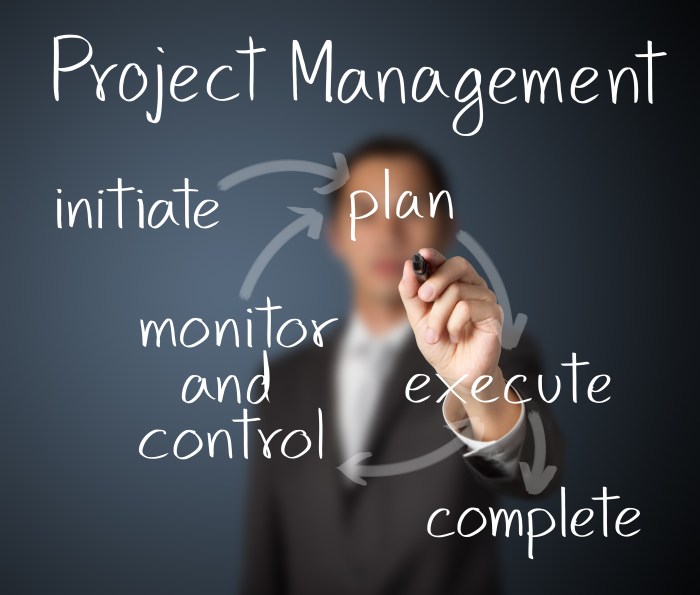
In IT project management, there are several phases that are involved in ensuring a successful project delivery. These phases include initiating the project, planning, executing, monitoring and controlling, and closing the project. Each phase plays a crucial role in the overall project management process.
Initiating an IT Project
Initiating an IT project is the first phase in project management where the project is formally authorized. This phase involves defining the project at a broad level and obtaining approval to start the project. The key steps involved in initiating an IT project include:
- Identifying the project stakeholders and understanding their requirements.
- Developing a project charter that Artikels the project scope, objectives, and deliverables.
- Conducting a feasibility study to assess the viability of the project.
- Securing approval from the project sponsor or stakeholders to proceed with the project.
Planning Stage in IT Project Management and its Key Components
The planning stage in IT project management is crucial for setting the direction, scope, and objectives of the project. It involves creating a detailed project plan that Artikels the tasks, resources, timelines, and budget required for successful project completion. The key components of the planning stage include:
- Developing a project scope statement that defines the project’s boundaries and deliverables.
- Creating a work breakdown structure (WBS) to break down the project into manageable tasks.
- Estimating the resources, time, and costs required for each task.
- Identifying and analyzing potential risks that may impact the project.
- Setting up a communication plan to ensure effective collaboration among team members and stakeholders.
- Creating a project schedule that Artikels the timeline for each task and milestone.
Tools and Techniques in IT Project Management
When it comes to managing IT projects effectively, utilizing the right tools and techniques is crucial for success. These tools help project managers streamline processes, communicate with team members, track progress, and ensure that projects are completed on time and within budget.
Software Tools in IT Project Management
- Project Management Software: Examples include Microsoft Project, Asana, Trello, and Jira. These tools help in task management, scheduling, resource allocation, and collaboration.
- Communication Tools: Platforms like Slack, Microsoft Teams, and Zoom facilitate real-time communication among team members, stakeholders, and clients.
- Issue Tracking Software: Tools like Bugzilla, Jira, and Redmine help in identifying, prioritizing, and resolving issues that may arise during project execution.
- Documentation Tools: Software like Google Docs, Confluence, and SharePoint enable team members to create, store, and share project documentation and reports.
Utilization of Gantt Charts in IT Project Planning
Gantt charts are a popular tool used in IT project planning to visualize project schedules, dependencies, and milestones. They provide a graphical representation of tasks, their start and end dates, and the overall project timeline. Project managers can use Gantt charts to track progress, identify potential bottlenecks, and adjust schedules accordingly to ensure timely project delivery.
Role of Agile Methodology in IT Project Management
Agile methodology is a project management approach that emphasizes flexibility, collaboration, and continuous improvement. In IT project management, Agile frameworks like Scrum and Kanban are commonly used to break down projects into smaller iterations or sprints, prioritize tasks, and adapt to changing requirements. Agile promotes regular communication, feedback, and incremental delivery of software, enabling teams to respond quickly to customer needs and market demands.
IT Project Management Best Practices
Effective communication, managing project scope, and stakeholder management are crucial best practices in IT project management that can significantly impact the success of a project.
Effective Communication in IT Project Management
Effective communication is essential in IT project management to ensure that all team members are on the same page regarding project goals, timelines, and deliverables. Strategies for effective communication include:
- Regular team meetings to discuss progress and address any issues
- Utilizing project management tools for centralized communication and document sharing
- Establishing clear channels of communication and defining communication protocols
- Active listening and encouraging open dialogue among team members
- Providing regular project updates to stakeholders to keep them informed
Managing Project Scope in IT Projects
Managing project scope is crucial to ensure that the project stays on track and delivers the intended outcomes. Strategies for managing project scope include:
- Clearly defining project objectives, deliverables, and success criteria
- Regularly reviewing and validating project scope with stakeholders
- Implementing a change control process to evaluate and approve scope changes
- Avoiding scope creep by staying focused on project goals and objectives
- Regularly monitoring and controlling project scope to prevent deviations
Importance of Stakeholder Management in IT Project Success
Stakeholder management is crucial for the success of an IT project as stakeholders can significantly impact project outcomes. Key aspects of stakeholder management include:
- Identifying key stakeholders and understanding their expectations and interests
- Engaging stakeholders throughout the project lifecycle to gather feedback and address concerns
- Managing stakeholder expectations through clear communication and transparency
- Involving stakeholders in decision-making processes to ensure alignment with project goals
- Building strong relationships with stakeholders to foster collaboration and support
In conclusion, IT project management is a crucial element in the success of technology projects. By understanding the processes, tools, and best practices involved, organizations can navigate the complexities of IT project management with confidence and efficiency.
Helpful Answers
What are some key challenges in IT project management?
Common challenges include scope creep, resource allocation, and timeline constraints.
How important is risk management in IT projects?
Risk management is crucial in IT projects to identify and mitigate potential threats that could impact project success.
What are some best practices for effective communication in IT project management?
Clear communication, regular updates, and active listening are essential for effective communication in IT project management.


