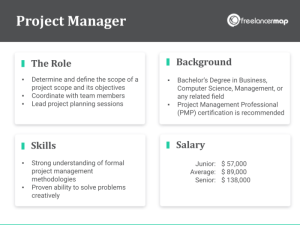
Embark on a journey towards success with Project Management Certification. Discover the key benefits, process, and industry recognition in this comprehensive guide.
Project Management Certification Overview
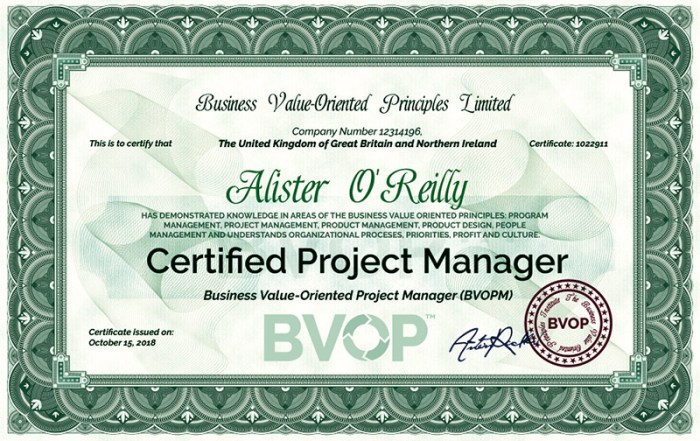
Project management certification is a credential that demonstrates a professional’s knowledge, skills, and expertise in project management. It validates an individual’s ability to effectively lead and manage projects from initiation to completion.Obtaining a project management certification offers several benefits, including:
Increased job opportunities
Many employers prefer or require candidates with project management certification.
Enhanced credibility
Certification showcases a commitment to the profession and a certain level of expertise.
Improved earning potential
Certified project managers often command higher salaries compared to non-certified counterparts.
Networking opportunities
Certification can provide access to a broader network of professionals in the field.There are various types of project management certifications available in the industry, such as:
- Project Management Professional (PMP) offered by the Project Management Institute (PMI)
- Certified Associate in Project Management (CAPM) also from PMI
- PRINCE2 (Projects IN Controlled Environments) certification
- Agile and Scrum certifications like Certified ScrumMaster (CSM) and Professional Scrum Master (PSM)
Each certification has its own requirements, focus areas, and benefits, catering to different career goals and project management methodologies.
Importance of Project Management Certification
Obtaining a project management certification is crucial for professionals in various industries as it provides them with the necessary skills and knowledge to effectively plan, execute, and oversee projects.
Enhanced Career Opportunities
Having a project management certification can significantly enhance career opportunities for professionals. Employers often look for candidates with certified project management skills as it demonstrates a high level of competency and expertise in the field.
- Project managers with certifications are more likely to be considered for leadership roles within organizations.
- Certified professionals often receive higher salaries compared to their non-certified counterparts.
- Project management certification can open doors to new job opportunities and career advancements.
Improved Project Management Skills
Project management certification is not only about obtaining a credential but also about enhancing project management skills and competencies.
- Certification programs provide in-depth knowledge of project management methodologies, tools, and best practices.
- Professionals learn how to effectively manage project scope, schedule, budget, and resources.
- Certified project managers are better equipped to handle complex projects and mitigate risks effectively.
Project Management Certification Process
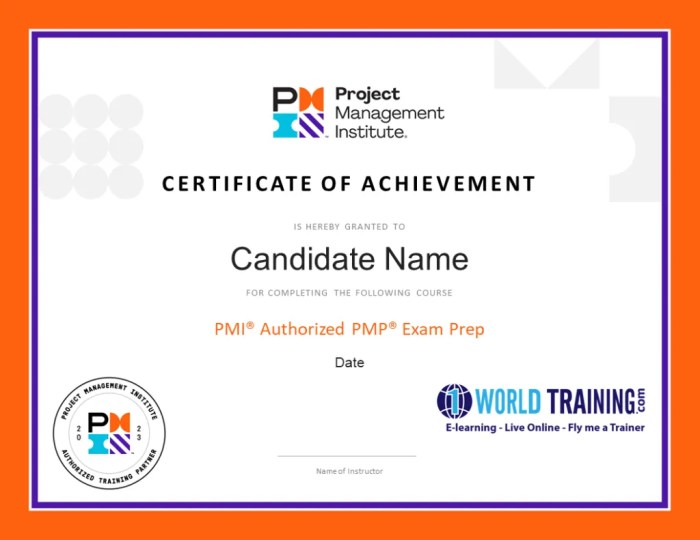
Obtaining a project management certification typically involves the following steps:
Prerequisites for Applying
- Completion of required project management education or training courses.
- Documented project management experience (the number of years may vary depending on the certification level).
- Payment of the certification exam fee.
- Agreeing to abide by the code of ethics set by the certifying body.
Tips for Exam Preparation
- Develop a study schedule and stick to it to ensure adequate preparation time.
- Utilize study materials such as textbooks, online courses, and practice exams to familiarize yourself with the exam format.
- Join study groups or forums to engage with other certification candidates and share study tips.
- Practice time management during practice exams to improve your pacing for the actual exam.
- Stay updated on the latest project management trends and practices to ensure you are prepared for any new content on the exam.
Project Management Skills and Knowledge
Project management certification programs cover a range of key skills and knowledge areas that are essential for successful project delivery. These skills are not only theoretical but are designed to be applied in practical, real-world scenarios to ensure project success.
Key Skills and Knowledge Areas
- Scope Management: Understanding project requirements, defining deliverables, and managing scope changes effectively.
- Time Management: Developing project schedules, identifying critical paths, and ensuring timely project completion.
- Cost Management: Estimating project costs, creating budgets, and monitoring expenses throughout the project lifecycle.
- Quality Management: Implementing quality standards, conducting quality assurance, and ensuring project deliverables meet stakeholder expectations.
- Risk Management: Identifying potential risks, analyzing their impact, and developing risk response strategies to mitigate threats.
Application of Project Management Skills
Project management skills are applied in real-world scenarios across various industries. For example, in the construction industry, project managers use scope management skills to define project requirements and ensure construction projects stay within budget and schedule. In the IT sector, time management skills are crucial for completing software development projects on time and within scope.
Importance of Continuous Learning
Continuous learning is vital for project managers to maintain their certification and stay updated with the latest industry trends and best practices. Project management is a dynamic field, and continuous learning ensures that project managers can adapt to changing project requirements, technologies, and stakeholder expectations. By investing in continuous learning, project managers can enhance their skills, deliver successful projects, and advance their careers in project management.
Industry Recognition and Accreditation
Project management certification from accredited institutions holds significant value in the industry. It serves as a validation of a project manager’s skills and knowledge, demonstrating their dedication to the profession.
Significance of Accreditation
- Accredited certifications ensure that the curriculum meets high standards set by industry experts, ensuring quality education and training.
- Employers often prefer candidates with certifications from accredited institutions, as it reflects a commitment to excellence and professionalism.
- Accreditation provides a level of assurance to stakeholders that the project manager has undergone rigorous training and possesses the necessary competencies.
Credibility Enhancement
- Industry-recognized certifications add credibility to a project manager’s profile, showcasing their expertise and commitment to continuous learning.
- Having a certification from a reputable institution can differentiate a project manager from others in the field, increasing their marketability.
- Employers and clients are more likely to trust project managers with industry-recognized certifications, as it demonstrates a certain level of proficiency.
Impact on Career Growth
- Industry-recognized certifications can open up new opportunities for career advancement, as they are often a prerequisite for higher-level positions.
- Project managers with accredited certifications may receive higher salaries and promotions compared to those without formal credentials.
- Continued professional development through accredited certifications can lead to enhanced skills and knowledge, contributing to long-term career success.
Comparison of Popular Project Management Certifications
In the field of project management, there are several popular certifications that professionals can pursue to enhance their skills and credentials. Let’s compare and contrast some of the most recognized certifications such as PMP, PRINCE2, Agile, and others, highlighting their specific focus areas, requirements, industry demand, and value.
PMP (Project Management Professional)
- PMP is one of the most widely recognized project management certifications globally, offered by the Project Management Institute (PMI).
- Focus Areas: PMP certification emphasizes traditional project management principles, processes, and best practices.
- Requirements: To obtain PMP certification, candidates must meet specific educational and experience requirements, pass a rigorous exam, and adhere to PMI’s code of ethics.
- Industry Demand and Value: PMP certification is highly valued by employers and often seen as a requirement for senior project management roles.
PRINCE2 (Projects IN Controlled Environments)
- PRINCE2 is a structured project management methodology widely used in the UK and internationally.
- Focus Areas: PRINCE2 certification focuses on project governance, risk management, and process-based approach to project management.
- Requirements: PRINCE2 certification requires candidates to pass two exams – Foundation and Practitioner levels, demonstrating their understanding of the methodology.
- Industry Demand and Value: PRINCE2 certification is particularly popular in Europe and is valued for its emphasis on clear project management processes and roles.
Agile Certifications (e.g., Certified Scrum Master, PMI-ACP)
- Agile certifications such as Certified Scrum Master and PMI Agile Certified Practitioner (PMI-ACP) focus on agile project management methodologies.
- Focus Areas: Agile certifications emphasize iterative and incremental project delivery, collaboration, and adaptability.
- Requirements: Agile certifications typically require candidates to demonstrate their understanding of agile principles and practices through exams or assessments.
- Industry Demand and Value: With the rise of agile methodologies in project management, Agile certifications are increasingly in demand, especially in tech and software development industries.
Elevate your career prospects and skills with a Project Management Certification. Stay ahead in the competitive industry by obtaining this valuable accreditation.
FAQ Corner
What are the benefits of obtaining a project management certification?
Obtaining a project management certification can lead to increased job opportunities, higher salaries, and enhanced project management skills.
What is the typical process of obtaining a project management certification?
The typical process involves meeting prerequisites, studying for certification exams, and passing the exams to earn the certification.
Why is continuous learning important for maintaining project management certification?
Continuous learning is crucial to stay updated with industry trends, enhance skills, and maintain the validity of the certification.