
Embark on a journey through the intricacies of project management lifecycle, where each phase plays a vital role in the overall success of a project. Dive into the key stages and strategies that ensure a seamless project execution.
PROJECT MANAGEMENT
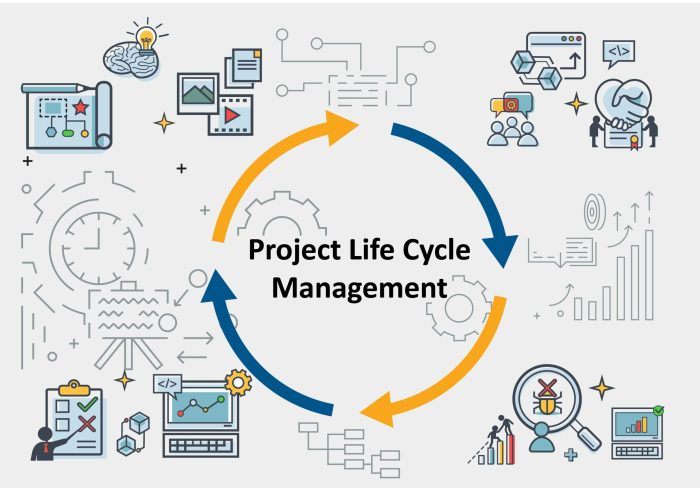
Project management involves planning, organizing, executing, and closing projects to achieve specific goals within a specified timeframe and budget. It is a systematic approach to managing projects efficiently and effectively.Project management is crucial for organizations to successfully complete projects on time, within budget, and meeting quality standards. It helps in aligning project activities with strategic goals, managing resources effectively, and minimizing risks.
Importance of Project Management
- Ensures clarity of project objectives and scope
- Helps in resource allocation and utilization
- Facilitates effective communication and collaboration among team members
- Manages risks and uncertainties that may arise during project execution
Comparison with Other Management Approaches
- Project management focuses on achieving specific goals within a defined timeframe, unlike general management which oversees overall organizational activities.
- Project management is temporary in nature, with a clear start and end date, while operations management is ongoing and focuses on routine activities.
- Project management requires a unique set of skills and techniques tailored to the project’s requirements, whereas other management approaches may have more generalized skills.
PROJECT MANAGEMENT LIFECYCLE
A project management lifecycle refers to the series of phases or stages that a project goes through from initiation to completion. It provides a structured approach to managing a project efficiently and effectively.
Key Phases in a Project Management Lifecycle
In a typical project management lifecycle, there are several key phases that are essential for the success of the project:
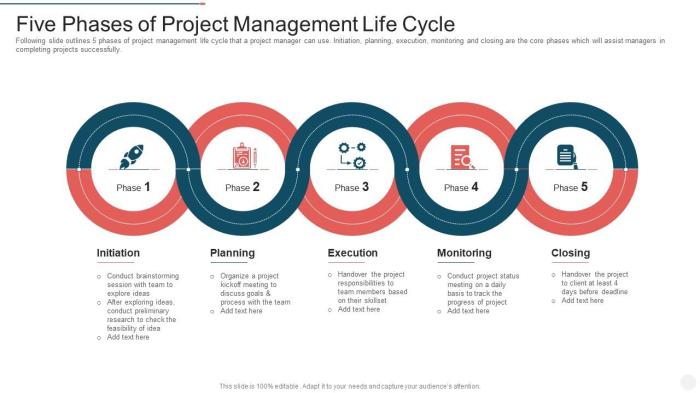
- Initiation: This phase involves defining the project at a broad level and obtaining approval to proceed. It sets the foundation for the project by identifying the project scope, objectives, and stakeholders.
- Planning: During this phase, detailed planning is done to define the project scope, objectives, deliverables, budget, resources, and timeline. A project plan is developed to guide the project team throughout the execution phase.
- Execution: This phase involves the actual implementation of the project plan. Resources are allocated, tasks are assigned, and the project work is carried out according to the plan. Effective communication and monitoring are crucial during this phase.
- Monitoring and Controlling: In this phase, project progress is monitored, and any deviations from the plan are identified and addressed. Changes may be implemented to keep the project on track and within scope, budget, and timeline.
- Closing: The closing phase involves completing all project activities, obtaining final approvals, and handing over the deliverables to the customer. A post-project review is conducted to evaluate the project’s success and learn from any challenges faced.
INITIATION PHASE
In the initiation phase of a project, key activities are carried out to define the project at a broad level and secure the necessary authorization to proceed.During this phase, it is crucial to set clear project objectives that Artikel the desired outcomes, scope, and constraints of the project. This helps ensure that all stakeholders have a common understanding of what needs to be achieved and provides a clear direction for the project team.
Activities Involved in Initiation Phase
- Developing the project charter: This document formally authorizes the existence of the project and provides the project manager with the authority to apply organizational resources to project activities.
- Identifying stakeholders: It is essential to identify all individuals or groups that may be affected by the project or can influence its outcome.
- Conducting feasibility studies: Assessing the feasibility of the project in terms of technical, economic, legal, operational, and scheduling aspects.
Importance of Setting Clear Project Objectives
Setting clear project objectives is critical as it:
- Guides decision-making throughout the project lifecycle.
- Helps in prioritizing tasks and resources effectively.
- Enables stakeholders to measure project success against defined criteria.
Tools and Techniques Used in Project Initiation
SWOT analysis: Helps in identifying the project’s strengths, weaknesses, opportunities, and threats.
Project selection methods: Techniques like benefit measurement methods, scoring models, and economic models aid in selecting the most viable projects to pursue.
Expert judgment: Involving subject matter experts to provide insights and recommendations during project initiation.
PLANNING PHASE
In the project management lifecycle, the planning phase is crucial for setting the direction, defining objectives, and outlining the necessary steps to achieve project success.
Steps Involved in the Planning Phase:
- Define project goals and objectives
- Identify deliverables and milestones
- Develop a work breakdown structure (WBS)
- Estimate resources and create a project schedule
- Allocate tasks and responsibilities to team members
- Create a risk management plan
- Establish a communication plan
Role of Stakeholders in Project Planning:
Stakeholders play a critical role in project planning by providing input, feedback, and support throughout the planning process. They help ensure that the project aligns with the organization’s goals and expectations, and their involvement is key to successful project delivery.
Project Scope Definition and Management:
During the planning phase, project scope is defined by clearly outlining the boundaries of the project, including what is included and excluded. Scope management involves controlling changes to the project scope, ensuring that the project stays on track and delivers the intended outcomes within the defined parameters.
EXECUTION PHASE
During the execution phase of the project management lifecycle, the actual work of the project is carried out according to the project plan. This phase involves coordinating resources, managing tasks, monitoring progress, and ensuring that the project stays on track to achieve its objectives.
Importance of Effective Communication
Effective communication is crucial during the execution phase as it ensures that all team members are on the same page, understand their roles and responsibilities, and can collaborate efficiently. It helps in resolving conflicts, sharing updates, and addressing any issues that may arise promptly.
- Regular team meetings and status updates help keep everyone informed about the progress of the project.
- Clear and concise communication ensures that tasks are completed accurately and on time.
- Open communication channels allow team members to raise concerns or suggest improvements, leading to a more successful project outcome.
Challenges in Project Execution
During the execution phase, project managers may face various challenges that can impact the successful completion of the project. Some common challenges include:
- Scope Creep: Changes to project scope can lead to delays, increased costs, and a deviation from the original objectives.
- Resource Allocation: Ensuring that resources are allocated effectively and efficiently to meet project requirements can be a challenge.
- Quality Control: Maintaining quality standards and ensuring deliverables meet expectations can be demanding.
- Risk Management: Identifying and mitigating risks that may arise during project execution is essential to avoid potential setbacks.
MONITORING AND CONTROL PHASE
In project management, the monitoring and control phase is crucial for ensuring that the project stays on track and meets its objectives within the defined scope, budget, and timeline. This phase involves tracking the progress of the project, identifying any deviations from the plan, and implementing corrective actions to address issues promptly.
Tools and Techniques for Tracking Project Progress
During the monitoring and control phase, project managers utilize various tools and techniques to track project progress effectively. Some common tools include:
- Project Management Software: Tools like Microsoft Project, Trello, or Asana help in creating schedules, assigning tasks, and tracking progress in real-time.
- Performance Metrics: Key performance indicators (KPIs) are used to measure the project’s performance against predefined goals and objectives.
- Status Meetings: Regular meetings with the project team to discuss progress, challenges, and any necessary adjustments to the plan.
- Progress Reports: Detailed reports that provide an overview of the project’s status, including accomplishments, issues, and upcoming tasks.
Role of Risk Management
Risk management plays a critical role during the monitoring and control phase by identifying, assessing, and responding to potential risks that may impact the project’s success. Project managers need to continuously monitor and evaluate risks throughout the project lifecycle to proactively address any threats. By having a robust risk management strategy in place, project teams can mitigate potential disruptions and ensure smoother project execution.
CLOSING PHASE
In the closing phase of a project, various activities are conducted to finalize all project-related tasks and formally close out the project. This phase is crucial in ensuring that all project objectives have been met and that the project is officially completed.
Activities Involved in the Closing Phase
- Conducting a final project review to assess project outcomes and deliverables.
- Obtaining formal acceptance of the project deliverables from the stakeholders.
- Transferring the project deliverables to the appropriate stakeholders or teams.
- Documenting and archiving project records, including lessons learned and best practices.
- Formally closing contracts and agreements related to the project.
Importance of Conducting Post-Project Reviews
Post-project reviews are essential to evaluate the overall success of the project, identify areas for improvement, and capture lessons learned for future projects. These reviews provide valuable insights that can help enhance project management processes and increase the likelihood of success in future endeavors.
Significance of Documenting Lessons Learned
Documenting lessons learned is critical for continuous improvement in project management. By capturing insights, challenges, and successes from the project, organizations can avoid repeating past mistakes and leverage best practices in future projects. This documentation serves as a valuable resource for project teams and contributes to the overall growth and success of the organization.
In conclusion, mastering the project management lifecycle is crucial for achieving project goals efficiently. By understanding the phases and implementing effective strategies, project managers can navigate complexities with ease and deliver successful outcomes.
Key Questions Answered
What is the significance of project management lifecycle?
The project management lifecycle provides a structured approach to managing projects from initiation to closure, ensuring efficiency and success.
How do stakeholders contribute to project planning?
Stakeholders play a crucial role in providing insights, resources, and approvals during the planning phase, influencing project outcomes.
Why is risk management important during the monitoring and control phase?
Risk management helps identify potential threats and opportunities, allowing project managers to make informed decisions to mitigate risks effectively.


