Delve into the world of project management jobs, where demand is high and skills are key. This field offers a myriad of career paths and lucrative prospects, making it an enticing choice for many professionals.
Learn about the essential skills, salary ranges, and job prospects that come with a successful project management career.
PROJECT MANAGEMENT
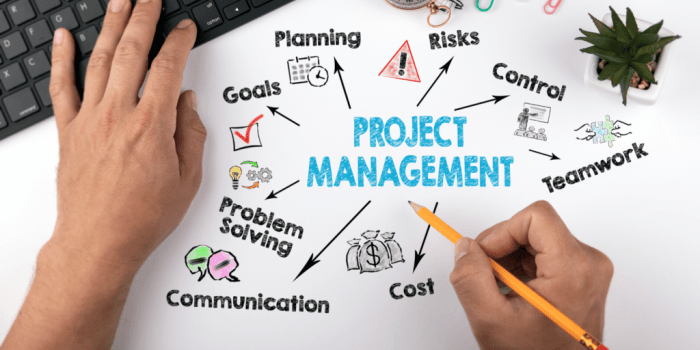
Project management involves planning, organizing, and overseeing the successful completion of specific goals and objectives within a specified timeframe and budget. It plays a crucial role in various industries by ensuring efficiency, accountability, and quality in delivering projects.
Key Components of Effective Project Management
- Clear goals and objectives: Defining the project scope and desired outcomes.
- Effective communication: Ensuring all stakeholders are informed and engaged throughout the project.
- Proper planning: Developing a detailed project plan with timelines and resources allocation.
- Risk management: Identifying potential risks and implementing strategies to mitigate them.
- Team collaboration: Building and leading a cohesive project team to work towards a common goal.
Role of a Project Manager and Responsibilities
- Leading the project team and overseeing all project activities.
- Setting project goals, timelines, and budgets.
- Communicating with stakeholders and managing expectations.
- Identifying and resolving issues that may arise during the project lifecycle.
- Ensuring project deliverables meet quality standards and are completed on time.
Common Project Management Methodologies and Applications
- Waterfall: A sequential approach where each phase must be completed before moving to the next.
- Agile: A flexible and iterative approach that focuses on delivering small, incremental changes.
- Scrum: A framework within the Agile methodology that emphasizes collaboration, accountability, and iterative progress.
- Lean: A methodology that aims to eliminate waste and improve efficiency in project processes.
- Kanban: A visual management tool that helps teams visualize work and optimize workflows.
PROJECT MANAGEMENT JOBS
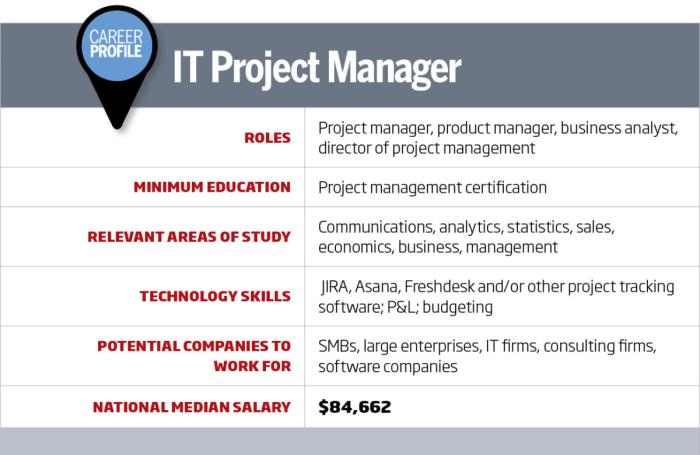
In today’s job market, there is a growing demand for project management professionals who can effectively plan, execute, and oversee projects to ensure successful outcomes. Organizations across various industries rely on project managers to deliver projects on time, within budget, and according to specifications.
Project management requires a unique set of skills that are essential for a successful career in this field. These skills include strong communication, leadership, time management, problem-solving, and organizational abilities. Project managers must also be adept at managing resources, mitigating risks, and adapting to changing circumstances to keep projects on track.
Essential Skills for Project Management Career
- Strong communication skills to effectively interact with team members, stakeholders, and clients.
- Leadership abilities to motivate and guide team members towards project goals.
- Time management skills to prioritize tasks and meet project deadlines.
- Problem-solving capabilities to address issues and challenges that arise during project execution.
- Organizational skills to manage resources, budgets, and project timelines efficiently.
Career Paths in Project Management
- Project Manager: Responsible for overall project planning, execution, and delivery.
- Program Manager: Oversees multiple related projects to achieve organizational objectives.
- Portfolio Manager: Manages a portfolio of projects to align with strategic business goals.
- Agile Coach: Facilitates agile practices and methodologies within project teams.
Salary Range and Job Prospects
Project managers typically earn competitive salaries, with the median annual salary in the United States ranging from $80,000 to $120,000, depending on experience and location. Job prospects for project managers are expected to remain strong, with an increasing demand for professionals who can drive project success and deliver value to organizations.
PROJECT MANAGEMENT CERTIFICATIONS
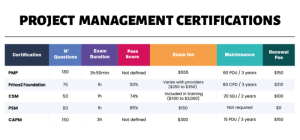
Obtaining a project management certification can significantly boost your career in the field. There are several popular project management certifications available, each with its own focus and requirements.
Popular Project Management Certifications
- PMP (Project Management Professional): Offered by PMI (Project Management Institute), PMP is one of the most recognized certifications in project management, focusing on traditional project management methods.
- PRINCE2 (Projects IN Controlled Environments): A certification developed by the UK government, PRINCE2 emphasizes a structured approach to project management.
- Agile Certifications (e.g., Certified Scrum Master, PMI-ACP): Agile certifications focus on Agile methodologies and frameworks, promoting adaptability and responsiveness in project management.
Benefits of Obtaining a Project Management Certification
- Enhanced credibility and marketability in the job market.
- Increased earning potential due to higher demand for certified professionals.
- Expanded knowledge and skills in project management best practices.
- Opportunities for career advancement and professional growth.
Choosing the Right Project Management Certification
When selecting a project management certification, consider your career goals and the specific industry you work in. Research the requirements, content, and recognition of each certification to ensure it aligns with your professional aspirations.
PROJECT MANAGEMENT TOOLS
Project management tools play a crucial role in helping teams effectively plan, execute, and monitor projects. These tools streamline workflows, improve collaboration, and enhance overall project efficiency. Let’s explore some common project management tools and their features:
Trello
Trello is a popular project management tool known for its visual and flexible approach to organizing tasks. It uses boards, lists, and cards to help users manage projects effectively. Some key features of Trello include customizable workflows, due dates, labels, and integrations with other tools like Slack and Google Drive.
Asana
Asana is another widely used project management tool that offers features such as task assignments, deadlines, project timelines, and progress tracking. It allows teams to collaborate seamlessly, communicate within tasks, and visualize project goals. Asana also integrates with popular apps like Microsoft Teams and Zoom for enhanced productivity.
Jira
Jira is a robust project management tool primarily used for software development projects. It offers features like issue tracking, agile boards, customizable workflows, and real-time reporting. Jira’s integration with development tools like Bitbucket and Confluence makes it a go-to choice for tech teams looking to streamline their project management processes.
Selecting the Right Tool
When choosing a project management tool, it’s essential to consider factors such as team size, project complexity, budget, and required features. Conducting a thorough evaluation of different tools, seeking feedback from team members, and opting for a tool that aligns with your project’s specific needs are some best practices for selecting the most suitable project management tool.
In conclusion, project management jobs present a dynamic and rewarding career path for those with the right skills and mindset. With demand on the rise and various opportunities available, it’s a field worth exploring for aspiring professionals.
FAQ Insights
What are the key skills needed for a project management career?
Effective communication, leadership, time management, and problem-solving are essential skills for a successful project management career.
What is the average salary range for project managers?
Salaries for project managers vary based on experience and location, but the average range typically falls between $70,000 to $120,000 per year.
How can obtaining a project management certification benefit my career?
Project management certifications validate your expertise, enhance your credibility, and can lead to better job prospects and higher salaries in the field.