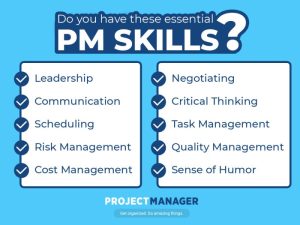
Embark on a journey through the realm of project management strategies, exploring key concepts and practical applications that drive successful project outcomes.
Delve into the intricacies of different strategies, from traditional to agile, and discover how effective planning, communication, and risk management play pivotal roles in project success.
Project Management
Project management is the practice of planning, organizing, executing, and controlling the work of a team to achieve specific goals and meet specific success criteria within a specified time frame. It involves balancing scope, time, cost, and quality to ensure successful project completion.Effective project management is crucial for the success of any project as it helps in proper planning, resource allocation, risk management, communication, and monitoring progress.
Without proper project management, projects can face delays, budget overruns, scope creep, and ultimately fail to meet stakeholder expectations.
Examples of Successful Project Management
- In the construction industry, the construction of the Burj Khalifa in Dubai was a successful project managed effectively. Despite its complex design and height, the project was completed on time and within budget.
- Apple’s launch of the iPhone is another example of successful project management. The coordination of various teams, suppliers, and stakeholders to bring a new product to market within a specific timeline showcases effective project management.
- The Mars Rover missions by NASA demonstrate successful project management in the aerospace industry. The planning, execution, and control of these missions involve a high level of complexity and coordination to achieve their scientific objectives.
Project Management Strategies
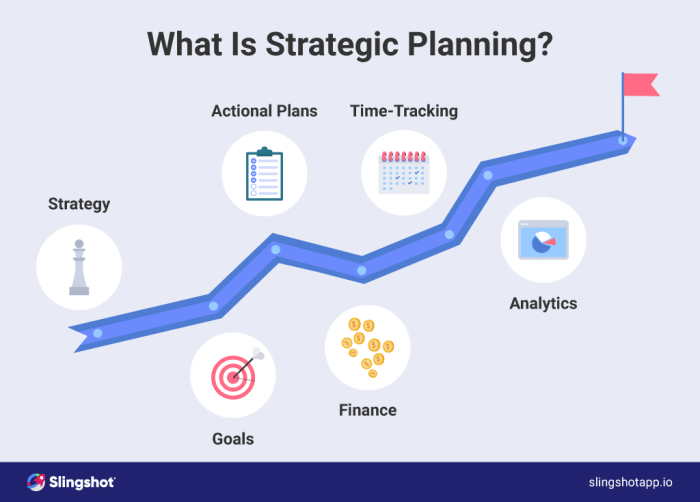
Project management strategies refer to the specific methods and approaches used by project managers to plan, execute, monitor, and control projects effectively to achieve desired outcomes within the constraints of time, budget, and scope.
Types of Project Management Strategies
There are various types of project management strategies that can be adopted based on the nature of the project and the organization’s goals. Some common types include:
- Waterfall: A sequential approach where each phase of the project is completed before moving on to the next.
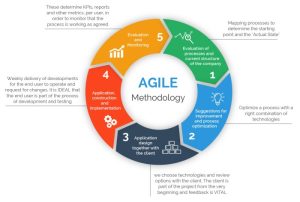
- Agile: An iterative approach that focuses on flexibility, collaboration, and continuous improvement.
- Lean: A method that aims to minimize waste and maximize value delivery to the customer.
- Scrum: A framework that emphasizes teamwork, accountability, and iterative progress.
- Six Sigma: A data-driven approach to improve process quality and reduce defects.
Traditional vs. Agile Project Management Strategies
Traditional project management strategies, such as the waterfall model, follow a linear and structured approach where planning is done upfront and changes are discouraged once the project is underway. On the other hand, agile project management strategies, like Scrum, prioritize adaptability, collaboration, and responding to change over following a rigid plan.
While traditional methods work well for projects with clearly defined requirements and stable scope, agile approaches are more suitable for projects with evolving requirements and a need for frequent feedback and adjustments. The choice between traditional and agile strategies depends on the project’s complexity, uncertainty, and the organization’s culture and preferences.
Planning and Scheduling
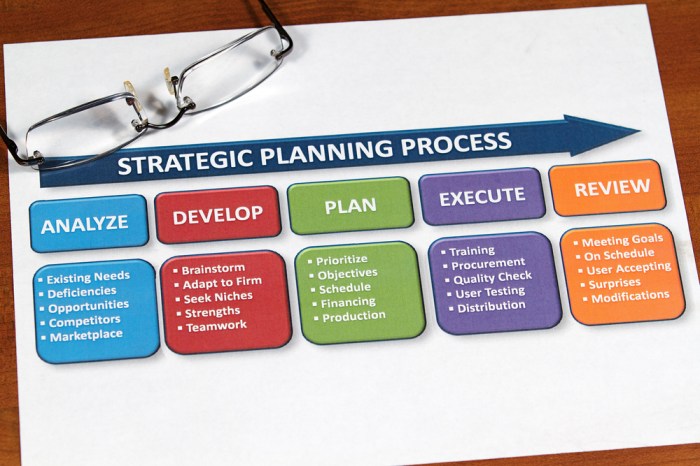
Effective project management heavily relies on proper planning and scheduling. These two components are essential in ensuring that a project is completed on time, within budget, and meets the desired objectives.
Significance of Planning
Planning sets the foundation for a successful project by outlining the goals, scope, deliverables, resources needed, and timeline. It helps in identifying potential risks and challenges, allowing for proactive measures to be taken to mitigate them. Without a solid plan in place, a project is more likely to face delays, cost overruns, and scope creep.
Steps to Create an Effective Project Schedule
- Define the project scope and objectives clearly.
- Break down the project into smaller tasks and create a Work Breakdown Structure (WBS).
- Estimate the time required for each task and sequence them in a logical order.
- Allocate resources to each task and consider dependencies between tasks.
- Create a project schedule using tools like Gantt charts or project management software.
- Review and adjust the schedule as needed to ensure it is realistic and achievable.
Tips for Managing Project Timelines and Deadlines
- Set realistic deadlines based on the project requirements and available resources.
- Regularly monitor progress against the schedule and make adjustments as needed.
- Communicate any changes to the timeline to stakeholders and team members promptly.
- Identify and address any bottlenecks or delays quickly to keep the project on track.
- Use project management tools to track deadlines, milestones, and deliverables effectively.
Communication in Project Management
Effective communication is essential for the success of any project. It plays a crucial role in ensuring that all team members are on the same page, goals are clearly understood, and any issues or changes are communicated promptly. Without proper communication, projects can face delays, misunderstandings, and ultimately fail to meet their objectives.
The Role of Communication in Project Management
Communication in project management involves the exchange of information, ideas, and feedback among project stakeholders. Project managers need to communicate effectively with team members, clients, vendors, and other key players to ensure that everyone is aligned with the project goals and objectives. Clear and open communication helps in building trust, fostering collaboration, and resolving conflicts in a timely manner.
- Regular Meetings: Schedule regular team meetings to discuss project progress, address any issues, and ensure that everyone is up to date.
- Use of Communication Tools: Utilize project management tools like Slack, Trello, or Asana to facilitate communication and collaboration among team members.
- Active Listening: Encourage active listening among team members to ensure that everyone’s ideas and concerns are heard and addressed.
- Feedback Mechanisms: Establish feedback mechanisms to gather input from team members and stakeholders, allowing for continuous improvement and adjustment of project strategies.
Examples of Poor Communication Impacting Project Outcomes
Poor communication can have serious consequences on project outcomes, leading to delays, budget overruns, and even project failure. Some examples of how poor communication can impact projects include:
- Misunderstandings: Lack of clear communication can result in misunderstandings among team members, leading to errors, rework, and delays in project timelines.
- Scope Creep: Inadequate communication about project scope and requirements can result in scope creep, where additional work is added without proper approval, causing delays and budget issues.
- Conflict Escalation: Failure to address conflicts or issues in a timely manner due to poor communication can escalate tensions among team members, affecting morale and productivity.
- Stakeholder Disengagement: Insufficient communication with project stakeholders can lead to disengagement and lack of support, making it challenging to achieve project goals and objectives.
Risk Management
Risk management in the context of project management involves identifying, assessing, and prioritizing risks that could potentially impact the success of a project. By proactively addressing potential risks, project managers can develop strategies to mitigate or eliminate these risks, ultimately increasing the likelihood of project success.
Common Risk Assessment Techniques
- Probability and Impact Matrix: This technique involves assessing the likelihood of a risk occurring and the potential impact it could have on the project.
- SWOT Analysis: Strengths, Weaknesses, Opportunities, and Threats analysis helps in identifying internal and external factors that may pose risks to the project.
- Delphi Technique: Involves gathering input from multiple experts anonymously to reach a consensus on potential risks.
Strategies for Mitigating Risks
- Risk Avoidance: Involves taking actions to eliminate the risk altogether, such as changing the project scope or approach.
- Risk Transfer: Involves shifting the risk to a third party, such as through insurance or outsourcing certain project tasks.
- Risk Mitigation: Involves taking proactive steps to reduce the impact or likelihood of a risk occurring, such as developing contingency plans.
- Risk Acceptance: Involves acknowledging the risk and its potential impact, but choosing not to take any specific action to address it.
In conclusion, mastering project management strategies is essential for navigating the complexities of any project, ensuring efficient communication, meticulous planning, and proactive risk management to achieve desired results.
Answers to Common Questions
What are project management strategies?
Project management strategies encompass various approaches and methodologies used to plan, execute, and monitor projects effectively.
How do agile project management strategies differ from traditional ones?
Agile project management emphasizes adaptability and flexibility, while traditional approaches follow a more structured and sequential process.
Why is effective communication crucial in project management?
Clear and efficient communication fosters collaboration, minimizes misunderstandings, and ensures project goals are met successfully.